Driveways Built for Daily Vehicle Traffic
Residential Asphalt Driveway Services in Salt Lake City for homeowners facing cracked, settled, or deteriorating pavement
Cracked driveway surfaces allow water to penetrate the base material, leading to voids that cause settling, potholes, and eventual structural failure requiring full replacement. Homeowners throughout Salt Lake City rely on 24/7 Asphalt for new driveway installation, crack repair, sealcoating maintenance, and resurfacing that restores both function and curb appeal. A properly maintained asphalt driveway withstands decades of vehicle traffic, snowplow scraping, and freeze-thaw cycling without the edge crumbling or surface disintegration common in neglected pavement.
Driveway services range from patching isolated damage to complete removal and repaving when the base layer has failed. Sealcoating every two to three years protects the asphalt binder from UV oxidation and extends surface life, while timely crack sealing prevents minor surface fractures from expanding into structural problems that compromise the entire driveway.
Request a driveway inspection to identify whether your pavement requires spot repairs, full resurfacing, or base reconstruction.
How Proper Driveway Construction Prevents Failure
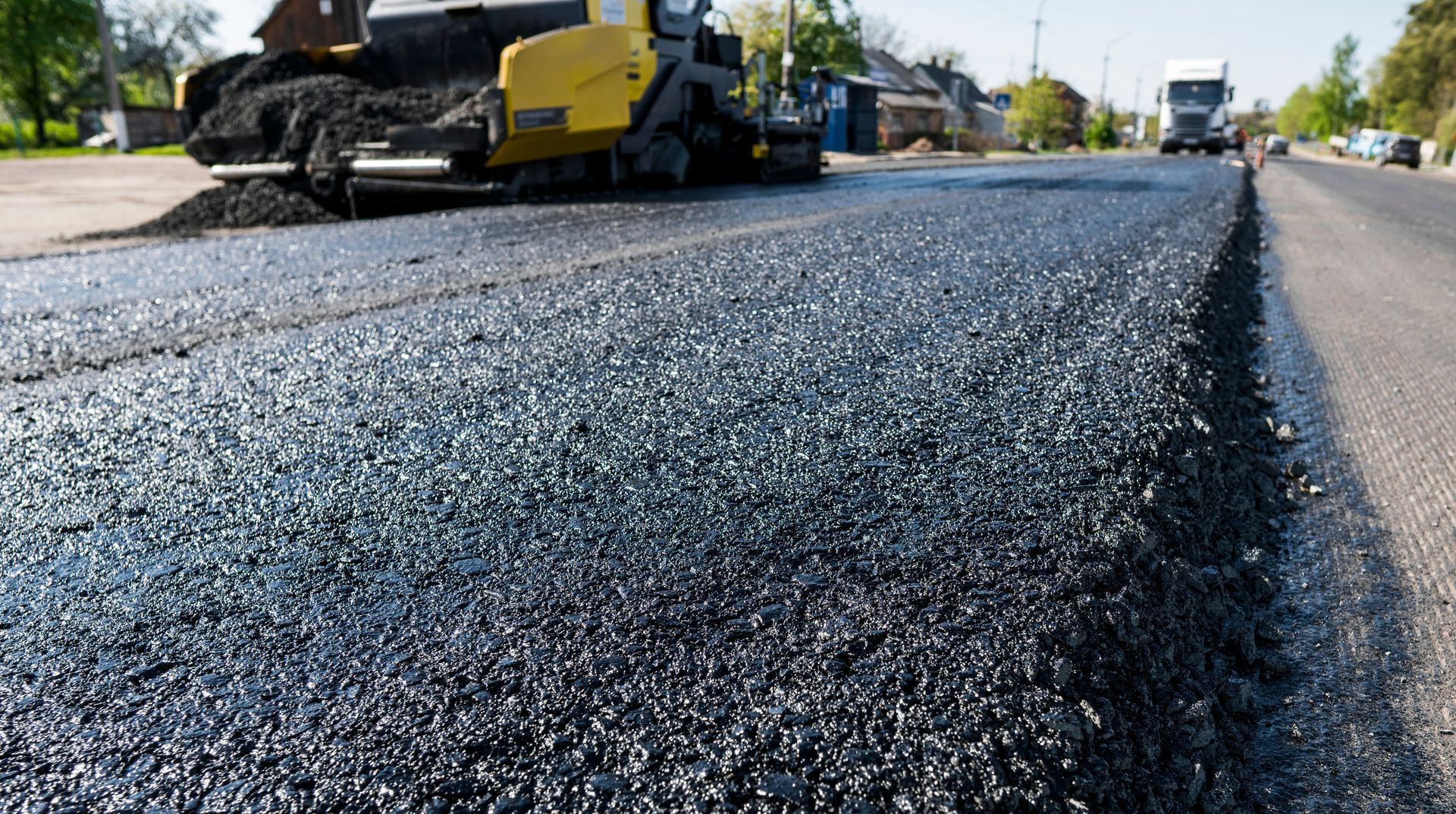
Durable driveways require adequate base preparation—typically four to six inches of compacted aggregate that distributes vehicle weight and provides drainage beneath the asphalt surface. Insufficient base thickness or poor compaction leads to settling and cracking within the first few years, particularly in areas where soil expands during wet seasons or shifts during freeze-thaw cycles common along the Wasatch Front.
After installation or resurfacing, you'll notice the driveway sits level with garage floors and sidewalk transitions, shedding water toward the street rather than pooling near foundation walls. The surface remains smooth enough for snow shovels and children's toys to glide across without catching on cracks or uneven joints, and vehicles no longer scrape on sunken sections near apron transitions.
Driveway extensions follow the same construction standards as original installations, matching thickness and compaction requirements to prevent visible seams or differential settling between old and new sections. Projects also account for proper slope to direct runoff away from homes and neighboring properties, preventing drainage conflicts that cause ice buildup during winter months.
What Homeowners Want to Know
Residential driveway decisions involve balancing upfront costs with long-term durability, and understanding construction details helps homeowners evaluate quality and set realistic maintenance expectations.
What causes driveways to crack in specific patterns?
Linear cracks often follow joints where asphalt meets concrete or where sections were paved at different times. Alligator cracking indicates base failure from water intrusion or inadequate compaction. Edge cracking results from lateral pressure when the pavement extends beyond the supporting base material.
How soon after installation can vehicles use a new driveway?
Asphalt cures gradually over several months, but surfaces support normal vehicle traffic within 24 to 48 hours once they cool to ambient temperature. Avoid parking heavy equipment or turning wheels sharply on fresh pavement during the first week, as the surface remains more susceptible to scuffing until fully hardened.
Why does sealcoating darken driveway appearance?
Sealers contain refined coal tar or asphalt emulsion that restores the dark pigment lost through UV exposure and oxidation. The restored color indicates renewed protection of the underlying binder, not just cosmetic improvement—though the visual uniformity does improve curb appeal significantly.
When should homeowners consider resurfacing instead of full replacement?
Resurfacing works when the existing base remains structurally sound but the surface shows widespread cracking, minor settling, or oxidation. If the driveway has sunken more than two inches, developed potholes larger than a foot across, or shows alligator cracking across most of the surface, full removal and base reconstruction typically prove more cost-effective long-term.
How does Salt Lake City's climate affect driveway maintenance timing?
Fall sealcoating before winter provides maximum protection against freeze-thaw damage, while spring crack filling addresses damage from ice expansion. Avoid sealcoating during temperature extremes—applications require overnight lows above 50 degrees and daytime highs conducive to proper curing, making late spring and early fall optimal windows in northern Utah.
24/7 Asphalt evaluates driveway condition, existing base integrity, and drainage patterns to recommend the most cost-effective repair or replacement approach. Schedule a property visit to review your driveway and receive a detailed service estimate.