Durable Surfaces Built for Utah Traffic
Asphalt Paving in Salt Lake City for properties requiring new parking lots, driveways, or access roads
New asphalt installation starts with proper site preparation and grading to establish drainage patterns that prevent water from pooling on the finished surface, which matters especially in areas where spring snowmelt and summer storms produce significant runoff. 24/7 Asphalt handles projects ranging from residential driveways to commercial parking lots and private access roads, building pavement structures that support expected load requirements while resisting the expansion and contraction cycles common in mountain climates. The difference between pavement that lasts decades and surfaces that crack within years comes down to base preparation and proper material compaction before any asphalt is placed.
The paving process involves excavating existing material to design depth, installing a compacted aggregate base that provides structural support and drainage, then placing hot asphalt mix in layers that bond together as they cool. Proper grading ensures water moves off the pavement rather than standing in low spots where it would freeze and damage the surface. The asphalt mix arrives at high temperature from the plant and must be spread and compacted while still hot to achieve density specifications that prevent premature deterioration.
Request a site evaluation to review drainage conditions, soil characteristics, and traffic requirements before design begins.
What Changes After New Pavement Installation
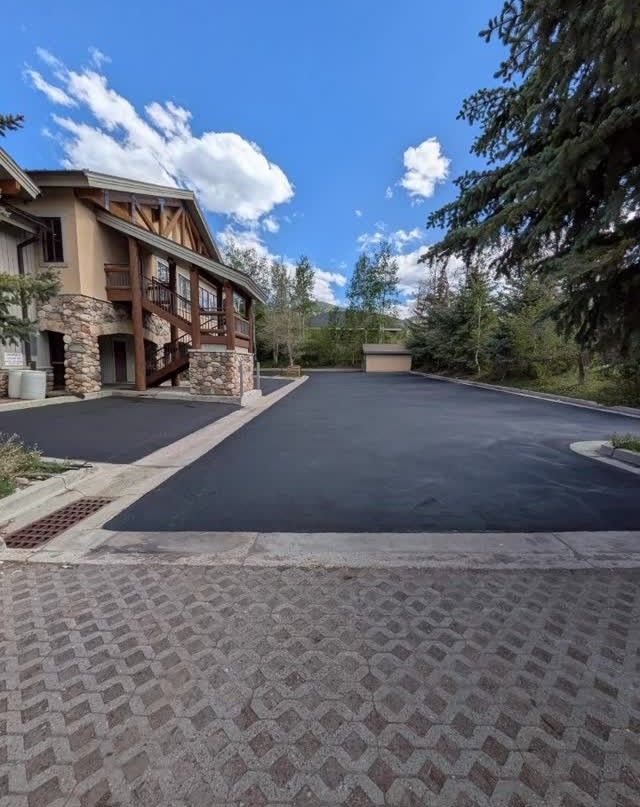
You'll have a smooth, uniformly graded surface that directs water to designated drainage points instead of creating puddles where vehicles track through standing water. The new pavement provides a stable driving surface without potholes, ruts, or cracking that damages vehicle suspensions and creates liability concerns. Commercial properties see improved site access that accommodates delivery trucks and customer traffic without the dust, mud, or rough conditions associated with gravel or deteriorated pavement.
Fresh asphalt appears jet black initially, then gradually weathers to dark gray as UV exposure oxidizes the surface binder over the first year. The pavement will handle its designed load without rutting or deforming as long as the base was properly compacted and adequate asphalt thickness was installed for the expected traffic. Residential driveways typically use two to three inches of asphalt over four to six inches of compacted base, while commercial parking lots require thicker sections depending on truck traffic and soil conditions.
Long-lasting pavement solutions depend on factors beyond just the asphalt thickness itself—soil stability beneath the base, drainage design, and initial compaction quality all determine whether the surface remains smooth or develops premature failures. Properties with expansive clay soils may require additional base depth or soil stabilization to prevent movement that cracks the pavement. Installation timing matters because asphalt plants operate seasonally in northern climates, and proper compaction requires warm weather conditions.
Questions Before Starting Your Paving Project
Property owners need specific information about preparation, timing, and design factors that affect
new asphalt installations in Salt Lake City.
What site preparation happens before asphalt installation begins?
Excavation removes existing pavement or soil to design depth, the subgrade gets compacted and graded for drainage, aggregate base material is placed in lifts and compacted to specified density, and edges are prepared with forms or existing curbing that contains the asphalt during placement.
How thick does asphalt need to be for different applications?
Residential driveways handling passenger vehicles typically need two to three inches of compacted asphalt over a four-inch base, while commercial parking lots with truck traffic require three to four inches of asphalt over six to eight inches of base material depending on soil conditions and expected loads.
Why does proper grading matter more than asphalt thickness alone?
Even thick pavement will fail if water pools on the surface and seeps into the base where it softens the foundation material, so establishing positive drainage with minimum slopes of one to two percent prevents water accumulation that leads to base failure and surface cracking.
When can vehicles drive on new asphalt after installation?
Light vehicle traffic can typically resume within 24 hours once the pavement cools to ambient temperature, but you should avoid parking in the same spot or making sharp turns for several days while the asphalt completes its initial hardening process.
What warranty or lifespan should be expected from new asphalt pavement in Salt Lake City?
Properly installed asphalt over adequate base should last 20 to 30 years with routine maintenance including crack sealing and periodic sealcoating, though high-traffic commercial lots may need resurfacing sooner depending on usage and winter maintenance practices.
24/7 Asphalt designs pavement sections based on soil reports, traffic projections, and site drainage requirements specific to your property. Schedule a consultation to discuss project scope, material specifications, and installation timeline for your paving needs.