Pavement Protection That Withstands Utah Winters
Asphalt Sealcoating in Salt Lake City for surfaces exposed to freeze-thaw cycles and harsh weather
24/7 Asphalt applies sealcoating to asphalt surfaces throughout Salt Lake City, creating a protective barrier that blocks UV rays, water, oil, and chemicals from penetrating the pavement. Your driveway or parking lot faces constant exposure to temperature swings that cause deterioration, and sealcoating provides a renewable defense layer. This service addresses both residential driveways and commercial parking lots where pavement longevity depends on preventative maintenance.
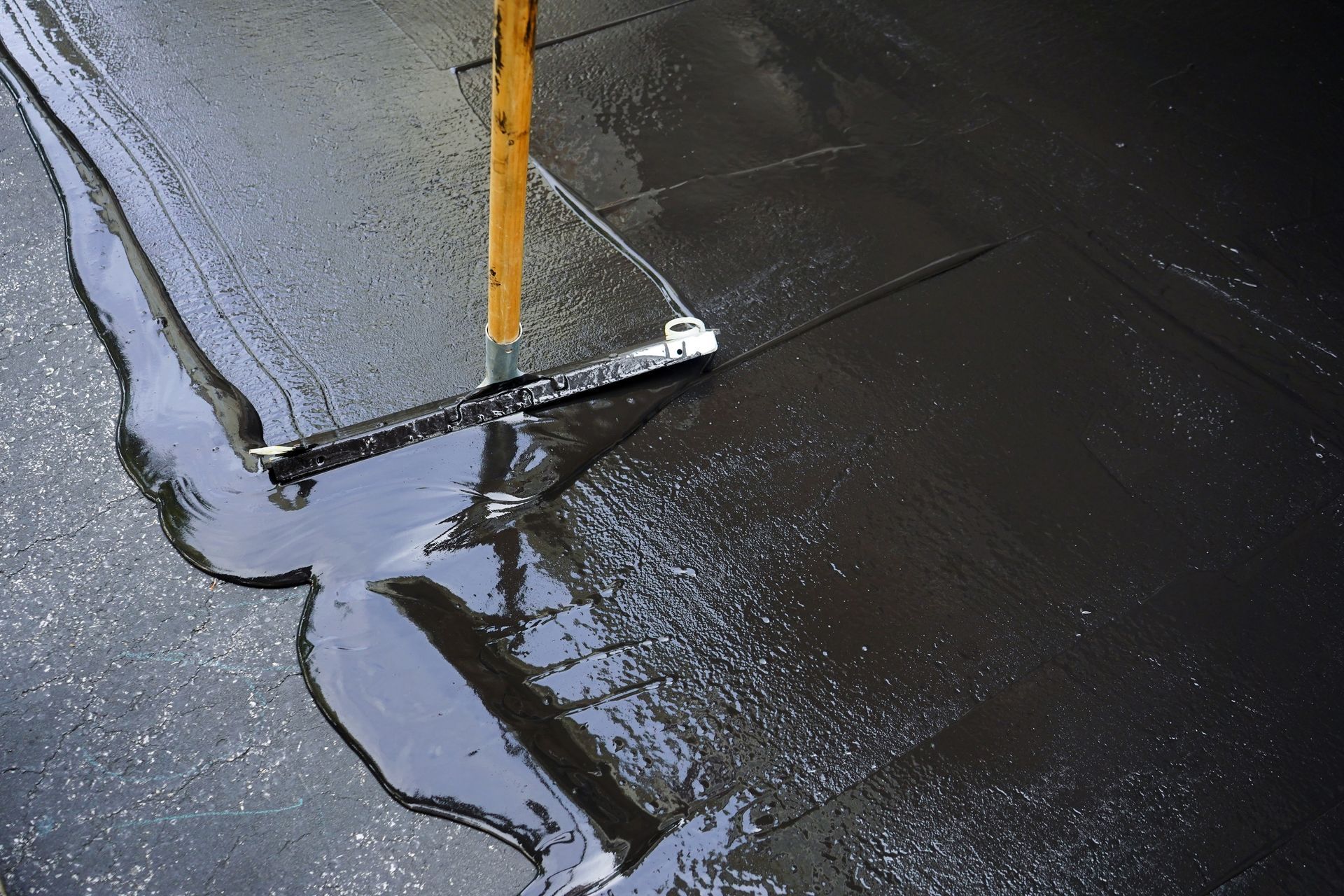
The sealcoating process involves cleaning the asphalt surface completely, filling any cracks, then applying a coal tar or asphalt emulsion coating that bonds to the existing pavement. This coating shields the underlying asphalt from oxidation caused by sunlight and prevents water from seeping into the base material where it expands during freezing temperatures. The treatment also resists damage from automotive fluids and de-icing chemicals commonly used in northern Utah.
Schedule a pavement evaluation to determine the current condition and appropriate sealcoating schedule for your property.
How Sealcoating Extends Pavement Life in Mountain Climates
The coating creates a waterproof barrier that stops moisture from reaching the aggregate base beneath your asphalt, which matters significantly in areas where winter temperatures regularly drop below freezing. When water enters untreated pavement and freezes, it expands with enough force to crack the asphalt from within, a process that accelerates every freeze-thaw cycle. Sealcoating interrupts this cycle by keeping water on the surface where it evaporates or drains away.
After 24/7 Asphalt completes the application, you'll see a uniform dark surface that no longer shows the gray, weathered appearance of oxidized asphalt. The pavement sheds water instead of absorbing it, and oil spots from vehicles clean off more easily because the sealant prevents petroleum from soaking into the porous asphalt. The renewed surface also improves property appearance, which matters for commercial locations where parking lot condition affects customer perception.
Preventative maintenance programs typically schedule sealcoating every two to three years depending on traffic volume and exposure conditions. Properties with heavy vehicle traffic or constant sun exposure may benefit from more frequent applications, while residential driveways with moderate use can extend the interval. The coating wears away gradually rather than failing suddenly, so consistent reapplication maintains continuous protection rather than reacting to visible damage.
What Property Managers Ask About Sealcoating
Property owners in Salt Lake City often have specific questions about timing, preparation, and results before scheduling sealcoating services.
What temperature conditions are required for sealcoating application?
The ambient temperature must stay above 50 degrees Fahrenheit for at least 24 hours after application to allow proper curing, which means most sealcoating in northern Utah happens between late spring and early fall when overnight temperatures remain consistently warm.
How does sealcoating protect against chemical damage from winter road treatments?
The coating creates a non-porous surface layer that prevents salt, magnesium chloride, and other de-icing chemicals from penetrating into the asphalt binder, which would otherwise soften the pavement and accelerate deterioration throughout the winter season.
What preparation happens before the coating is applied?
All vegetation, dirt, and debris must be removed from the pavement, existing cracks get filled with hot rubber sealant, and oil spots require cleaning or priming to ensure the coating bonds properly rather than peeling away from contaminated areas.
How long does the surface need to cure before vehicle traffic resumes?
You should keep all vehicles off the newly sealed pavement for at least 24 to 48 hours depending on temperature and humidity, as premature traffic will leave tire marks and disrupt the curing process that bonds the coating to the asphalt.
Why does sealcoating improve curb appeal beyond just functional protection?
The dark, uniform finish restores the appearance of new asphalt and provides a clean backdrop for striping and pavement markings, which makes parking lots look maintained rather than neglected and increases property value for commercial locations.
24/7 Asphalt develops preventative maintenance schedules based on your pavement's age, traffic patterns, and exposure conditions. Request a site assessment to establish a sealcoating timeline that maximizes pavement lifespan while managing maintenance costs.