Pavement Renewal Without Complete Reconstruction
Asphalt Resurfacing & Overlay Services in Salt Lake City for parking lots and driveways with surface damage over sound base material
When the existing base layer remains structurally intact but the surface shows widespread cracking, oxidation, or minor settling, resurfacing provides a cost-effective alternative to full-depth removal and reconstruction. The process involves applying a new asphalt layer over the prepared existing surface, correcting minor elevation issues and restoring a uniform, weather-resistant pavement structure. Property owners across Salt Lake City choose resurfacing when they need to extend pavement life by 10 to 15 years without the expense and disruption of complete replacement.
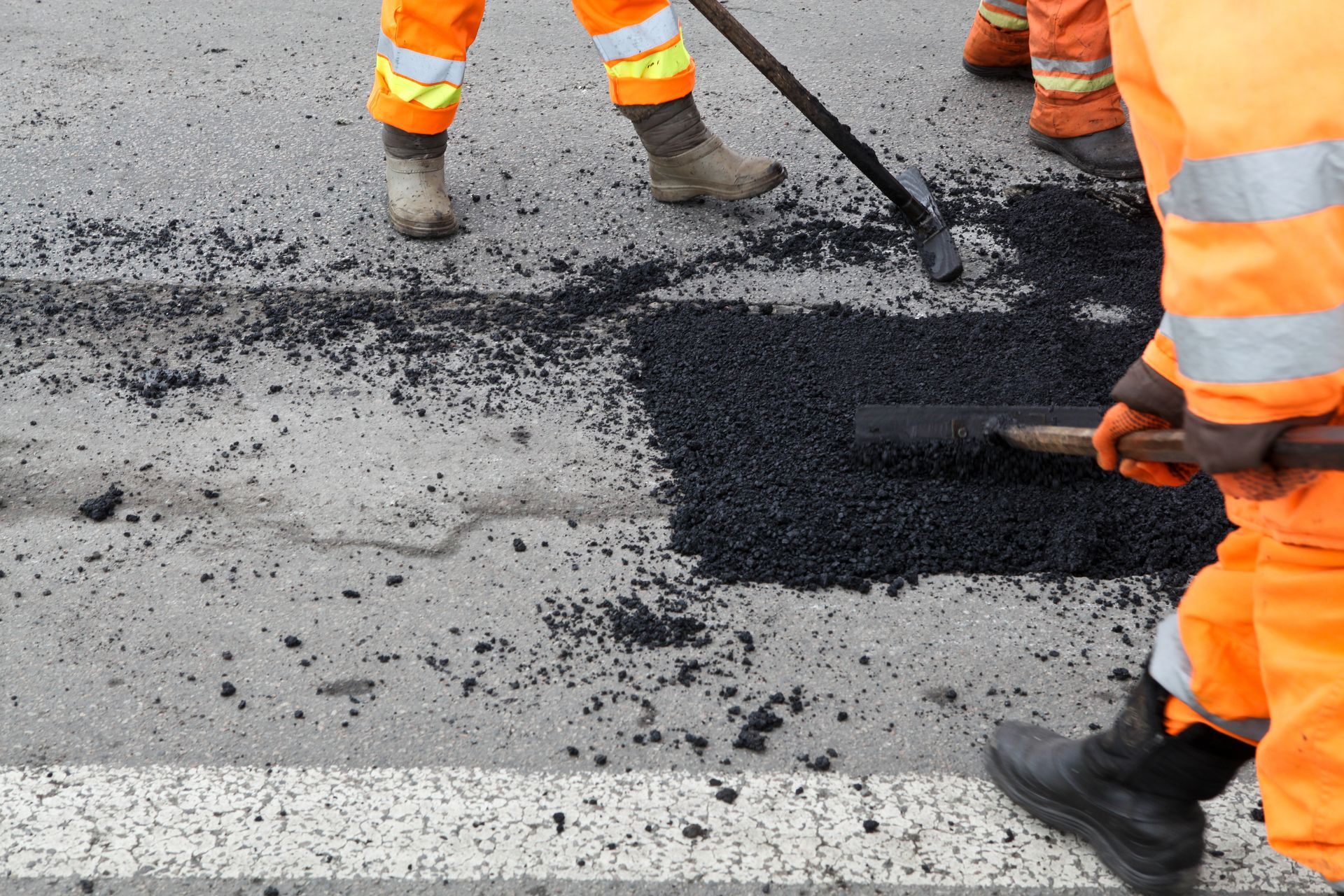
Resurfacing begins with evaluating the existing pavement to confirm the base hasn't failed—localized patching addresses any areas with base deterioration before the overlay proceeds. The existing surface is milled or cleaned, a tack coat bonds the new layer to the old, and hot mix asphalt is applied at a thickness of one and a half to two inches, then compacted to create a continuous surface that handles traffic loads and sheds water effectively.
Request a pavement evaluation to determine whether your property qualifies for resurfacing or requires full reconstruction due to base failure.
How Overlays Extend Pavement Service Life
Overlays work because they restore the protective surface layer that shields base material from water and traffic stress, while the existing base continues providing structural support. The new surface corrects minor unevenness and re-establishes proper drainage slopes that may have degraded over years of settling and wear. Properties with adequate drainage and stable base material gain decades of additional service life through resurfacing at roughly 40 to 60 percent of the cost of full removal and replacement.
After resurfacing, your pavement displays a uniform dark surface free of the spiderweb cracking and weathered gray appearance that marked the old asphalt. Water drains smoothly without pooling in depressions, and vehicles travel across level surfaces that no longer exhibit the rough texture or settled sections caused by years of oxidation and minor surface deterioration. The renewed pavement also improves property appearance significantly, contributing to curb appeal for residential driveways and customer perception for commercial lots.
Resurfacing doesn't correct drainage problems caused by improper original grading or base failures that have created substantial settling—those conditions require reconstruction with base repair. The service targets pavement where the foundation remains sound but the surface has reached the end of its protective lifespan, typically after 15 to 25 years depending on traffic and maintenance history.
What Property Owners Ask About Overlays
Resurfacing decisions depend on accurately assessing existing pavement condition and understanding the limitations of overlay applications compared to full reconstruction.
What pavement conditions disqualify a surface from resurfacing?
Widespread alligator cracking, potholes larger than two feet across, or settled sections exceeding two inches in depth indicate base failure that resurfacing can't correct. Overlaying failed pavement simply transfers the underlying problems to the new surface within months, wasting the investment and requiring eventual reconstruction anyway.
How thick does the overlay layer need to be?
Most overlays apply one and a half to two inches of new asphalt—thick enough to create a durable wearing surface but not so thick that it creates height mismatches at transitions to sidewalks, garage floors, or adjacent pavement sections. Properties with significant existing elevation issues may require milling the old surface before applying the overlay to maintain proper grades.
Why do some resurfaced driveways develop cracks quickly?
Reflection cracking occurs when movement in the underlying pavement transfers through the overlay—existing cracks reappear in the new surface as the old pavement continues shifting beneath it. Proper surface preparation, including crack filling and tack coat application, minimizes but doesn't completely eliminate reflection cracking on heavily deteriorated base pavement.
How does resurfacing cost compare to full replacement?
Overlays typically run 40 to 60 percent of replacement costs because they eliminate demolition, base reconstruction, and material hauling expenses. The exact savings depend on access constraints, property size, and how much localized base repair is needed before the overlay can proceed.
When is the best time to resurface in Salt Lake City?
Late spring through early fall provides optimal conditions—temperatures must remain above 50 degrees at night for proper compaction and curing, and dry weather is essential for tack coat adhesion. Scheduling during mild weather ensures the new surface bonds correctly and compacts to full density before winter freeze-thaw cycles begin.
24/7 Asphalt inspects existing pavement to verify base integrity and determine whether resurfacing will deliver the durability and longevity your property requires. Contact us to schedule an assessment and receive a comprehensive recommendation based on your pavement's current condition.