Repairs That Eliminate Hazards and Extend Pavement Life
Asphalt Patching in Salt Lake City for potholes, utility cuts, and deteriorated pavement sections
Potholes and broken pavement create trip hazards, damage vehicles, and indicate that water has compromised the base material beneath the asphalt surface. When you see depressions forming or chunks of pavement breaking away, the problem extends deeper than the visible surface damage. 24/7 Asphalt removes failed material down to stable base, replaces compromised aggregate if necessary, and installs new hot mix asphalt that bonds to the surrounding pavement and supports traffic loads. Properties throughout Salt Lake City require patching where freeze-thaw cycles exploit existing cracks and turn minor surface defects into structural failures that worsen rapidly without intervention.
Surface patching addresses shallow deterioration where the asphalt has weathered or cracked but the base remains intact, while full-depth patching excavates through the entire pavement section to repair base failures that would simply break through shallow patches. Utility cut repairs fill trenches after water, sewer, or electrical work, restoring the pavement to match surrounding grade and compaction. The patching material must be compacted properly to achieve density that resists rutting and prevents water infiltration at the repair edges where new asphalt meets old pavement.
Schedule an assessment to identify pavement failures before they expand into larger areas requiring complete reconstruction.
Why Patching Method Matters for Long-Term Results
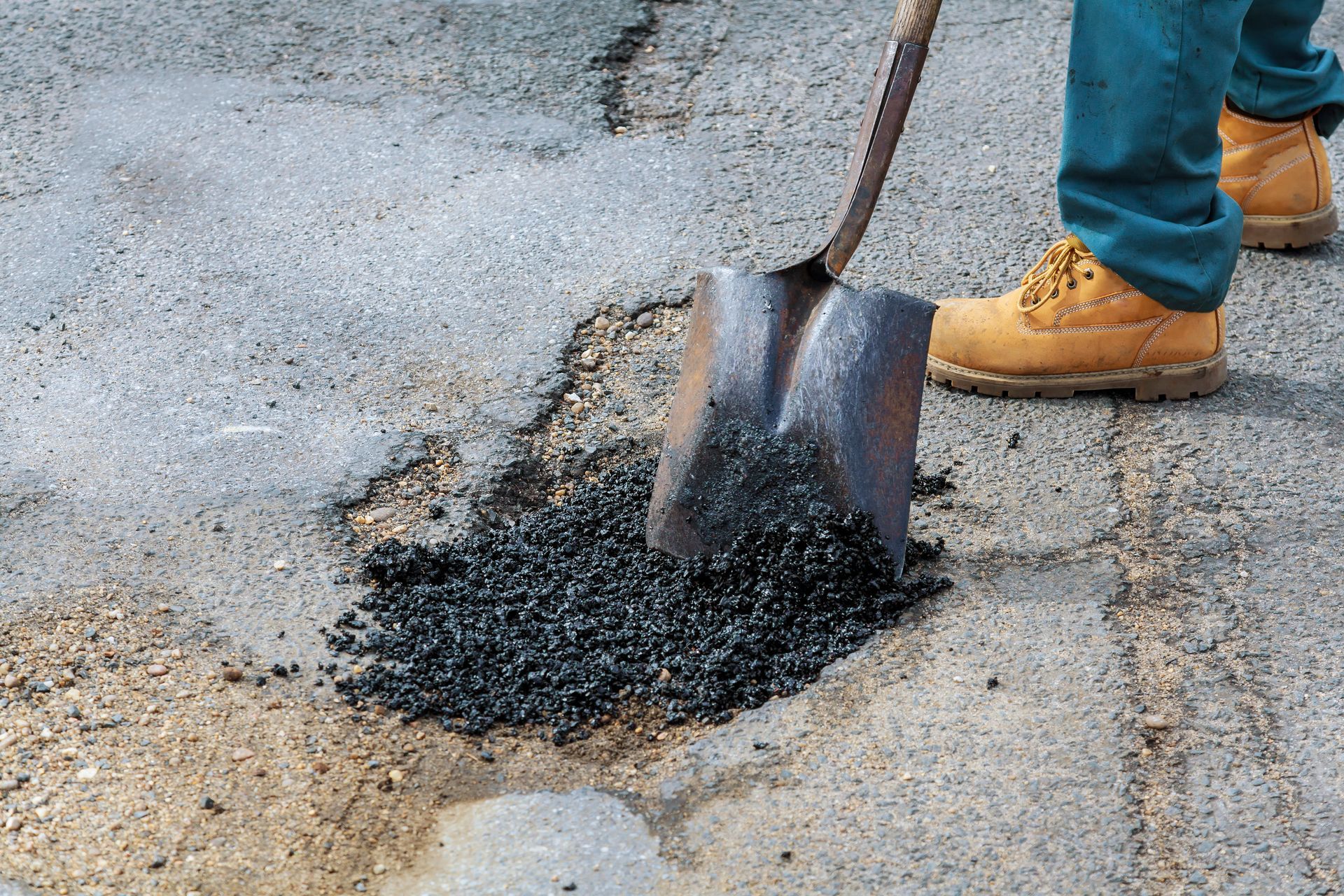
Proper patching requires cutting clean edges around the damaged area, removing all loose and deteriorated material, and verifying that the remaining base is stable and properly compacted. Throwing cold patch into a pothole without preparation might fill the hole temporarily, but it won't bond to the surrounding pavement or provide structural support, which means the patch fails within weeks as traffic breaks it apart and water undermines the edges. Hot mix asphalt applied with correct technique creates a permanent repair that lasts years rather than a temporary fill that requires repeated attention.
After 24/7 Asphalt completes the repair, you'll have a level surface without depressions that collect water or raised edges that create trip hazards and drainage problems. The patched area supports vehicle loads without cracking or settling because the base has been stabilized and the new asphalt is properly compacted. Commercial parking lots benefit from eliminated liability exposure since potholes that damage vehicles or cause pedestrian falls represent significant risk for property owners.
Trip hazard removal specifically addresses raised pavement edges, tree root uplifting, and settlement problems where height differences exceed one-half inch and create catch points for pedestrian traffic. Grinding down high spots or filling low areas restores smooth transitions that prevent falls, which matters especially in pedestrian zones near building entrances or crosswalks. Some repairs combine patching with adjustments to drainage grade that contributed to the original failure, addressing the cause rather than just treating visible damage.
What Property Owners Usually Ask
Understanding the difference between temporary fixes and permanent repairs helps property owners make decisions about patching methods and timing in Salt Lake City conditions.
How does full-depth patching differ from simple surface repair?
Full-depth patching excavates through the entire asphalt thickness into the base material, removes and replaces any compromised aggregate, then rebuilds the pavement structure in compacted layers, while surface patching only addresses the top asphalt layer where the base remains intact and stable.
Why do potholes form repeatedly in the same locations even after patching?
If the underlying cause isn't addressed—typically poor drainage that allows water to saturate the base, or base material that wasn't properly compacted during the original installation—the pavement will continue failing in that spot regardless of how many times the surface is patched over deteriorated foundation.
What determines whether a pothole can be patched or requires complete pavement replacement?
Isolated failures where the surrounding pavement remains structurally sound can be patched effectively, but when deterioration covers large areas or the entire pavement section shows signs of base failure and widespread cracking, reconstruction becomes more cost-effective than patching numerous individual spots.
When is cold patch material appropriate versus hot mix asphalt?
Cold patch serves only as an emergency temporary fill during winter when hot mix plants aren't operating, but it lacks the bonding and compaction characteristics needed for permanent repair, so any cold patch application should be scheduled for hot mix replacement once temperatures allow proper installation.
How soon after utility work should asphalt be patched over the trench?
Utility cut backfill needs time to settle and consolidate under traffic before final paving, so temporary patches may be placed immediately after utility work, followed by permanent hot mix repair after several weeks of settlement, with exact timing depending on trench depth, backfill material, and compaction achieved during utility restoration.
24/7 Asphalt evaluates each repair to determine the appropriate patching method based on failure extent, base condition, and long-term pavement strategy. Arrange a site visit to review existing damage and develop a repair approach that addresses underlying causes rather than just filling visible holes.